%2Ffit-in%2F250x250%2Fguide_websites%2F32956%2Fimages%2F1749351226653chatgptimagejun8202510_53_40am.png&w=1200&q=100)
/users/d01e3e45-f035-46ee-aafd-b13066004f82/ratecard/image-2025-06-08t095206.287.png)
%2F300x300%2Fusers%2Fd01e3e45-f035-46ee-aafd-b13066004f82%2Fratecard%2Fimage-2025-06-08t095206.287.png&w=256&q=75)
%2F300x300%2Fusers%2Fd01e3e45-f035-46ee-aafd-b13066004f82%2Fimages%2Ffishing-triumph-fort-myers-2521.png&w=256&q=75)
%2F300x300%2Fusers%2Fd01e3e45-f035-46ee-aafd-b13066004f82%2Fimages%2Ffishing-adventure-florida-2596.png&w=256&q=75)
%2F300x300%2Fusers%2Fd01e3e45-f035-46ee-aafd-b13066004f82%2Fimages%2Ffantastic-fishing-fort-myers-2360.png&w=256&q=75)
%2F300x300%2Fusers%2Fd01e3e45-f035-46ee-aafd-b13066004f82%2Fimages%2Ffishing-fun-in-florida-2347.png&w=256&q=75)
%2F300x300%2Fusers%2Fd01e3e45-f035-46ee-aafd-b13066004f82%2Fimages%2Fanglers-fishing-fort-myers-2306.png&w=256&q=75)
%2F300x300%2Fusers%2Fd01e3e45-f035-46ee-aafd-b13066004f82%2Fimages%2Fcobia-fish-caught-florida-2406.png&w=256&q=75)
%2F300x300%2Fusers%2Fd01e3e45-f035-46ee-aafd-b13066004f82%2Fimages%2Ffishing-excitement-florida-2361.png&w=256&q=75)
%2F300x300%2Fusers%2Fd01e3e45-f035-46ee-aafd-b13066004f82%2Fimages%2Fsuccessful-fishing-trip-florida-2653.png&w=256&q=75)
%2F300x300%2Fusers%2Fd01e3e45-f035-46ee-aafd-b13066004f82%2Fimages%2F6-gag-grouper-fishing-fl-2695.png&w=256&q=75)
%2F300x300%2Fusers%2Fd01e3e45-f035-46ee-aafd-b13066004f82%2Fimages%2Ffishing-adventure-florida-2463.png&w=256&q=75)
Premium 8-Hour Spearfishing Adventure
 Fort Myers
What you will be catching:
 Cobia
Cobia King Mackerel
 Permit
 Red Grouper
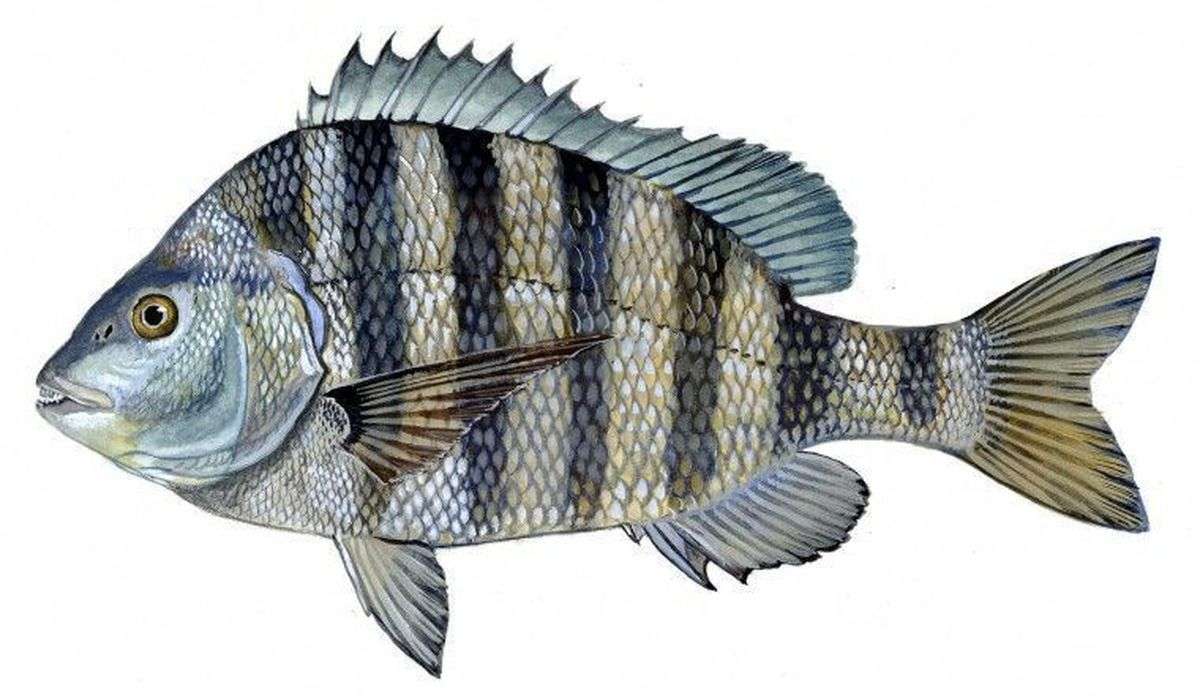
 Sheepshead
- Full-day spearfishing adventure targeting snapper, grouper, and hogfish
- Suitable for experienced SCUBA and free divers with beginner instruction available
- Small groups of four guests with multiple dive locations included
Trip Pricing and Availabilities:
Private 8 Hour Spearfishing Adventure
Ready to take your diving skills to the next level? Our private spearfishing trips combine the precision of hunting with the freedom of the underwater world. This isn't your typical dive charter – we're talking about a full day of selective hunting in crystal-clear waters where you'll learn to read fish behavior, perfect your approach, and maybe bring home dinner. Whether you're picking up a speargun for the first time or looking to dial in your technique, this 8-hour adventure puts you in prime position to connect with some seriously good fish.
What to Expect on the Water
Your day starts early with a thorough safety briefing and gear check. We keep groups small – just 4 divers max – so everyone gets personalized attention and plenty of underwater time. The boat heads to productive shallow reefs and structure in 20 to 45 feet of water, perfect depths for both scuba and freediving. You'll get 3 to 4 dives throughout the day, with surface intervals to share stories, review technique, and plan your next descent. Tank rentals run $25 each if you need them, and most folks find two tanks plenty for this depth range. Fuel costs vary between $150-200 depending on how far we travel to find the best action, but that's split among the group. Between dives, we'll work on shot placement, fish identification, and reading underwater terrain that holds fish.
Gear Setup & Techniques
We outfit you with quality spearguns matched to your experience level and the target species. Beginners get shorter, more manageable guns while experienced hunters can step up to longer barrels for better range and power. Polespears are also available for close-quarters work on smaller species. Safety equipment includes proper dive flags, emergency whistles, and first aid gear – this isn't negotiable when you're dealing with sharp points and potentially aggressive fish. We'll cover proper loading techniques, how to approach fish without spooking them, and the critical safety protocols for hunting with others in the water. Shot placement is huge – we'll show you exactly where to aim on different species for clean, ethical harvests. The underwater world demands patience and precision, and you'll learn to move with the current and use structure to mask your approach.
Target Species Breakdown
Sheepshead are the puzzle masters of the reef – these black-and-white striped beauties love hanging around structure where they pick at barnacles and crabs. They're curious but spooky, often approaching within range before darting away at the first wrong move. Best hunting happens during their spawning runs in spring when they school up in predictable spots. What makes them special is their incredible eating quality and the chess match they present to spearfishers. Their thick, hard mouths require precise shot placement, and their tendency to duck into holes means you need to be ready for a quick, accurate shot.
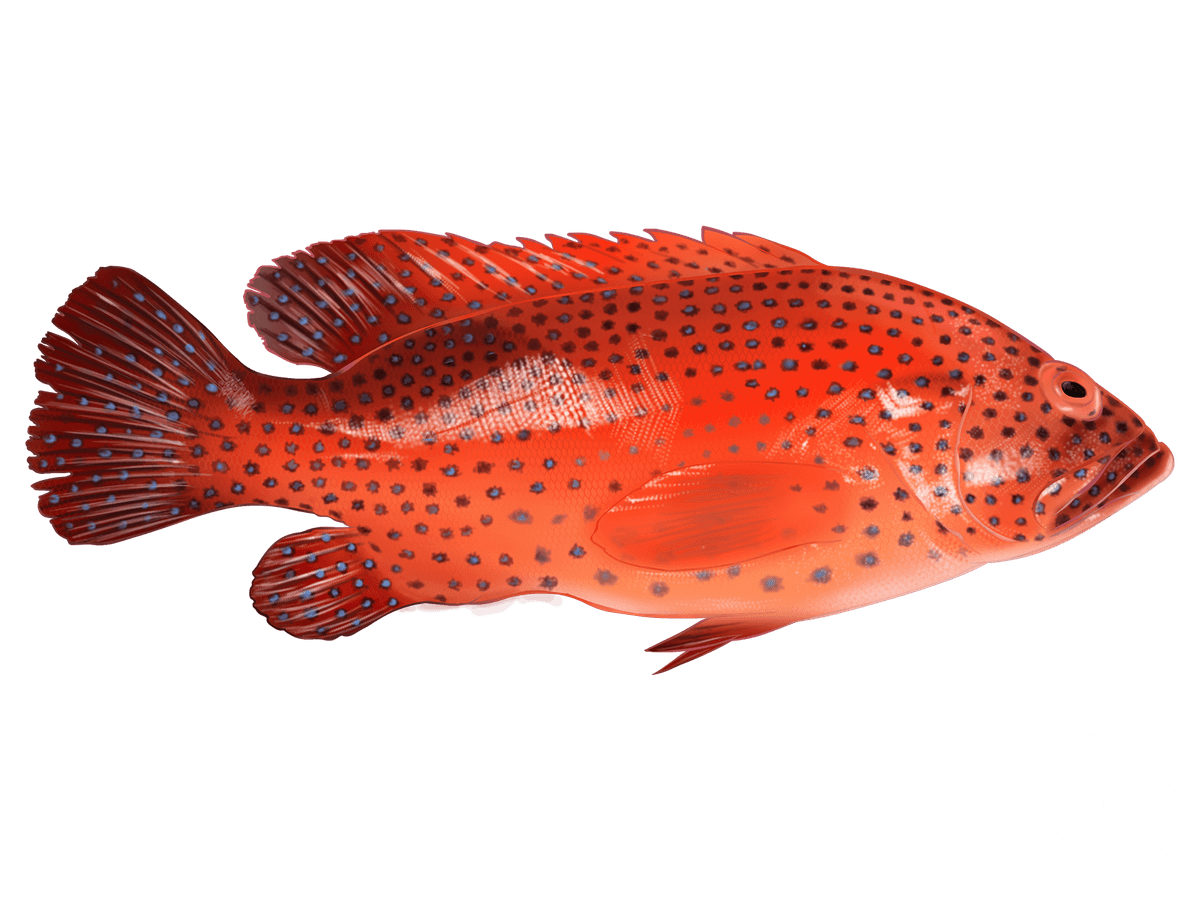
Red Grouper are the heavyweights of the shallow reefs, with mature fish pushing 20-30 pounds and providing serious drag once arrowed. These bottom dwellers are ambush predators that sit motionless near ledges and caves, making them perfect targets for patient hunters. Summer months bring the best action as they move into shallower water to spawn. They're prized for their sweet, flaky meat and the satisfaction of cleanly taking a fish this size with primitive equipment. The challenge lies in their incredible strength – once shot, they'll head straight for the nearest hole, so your follow-through and fish-fighting skills better be on point.
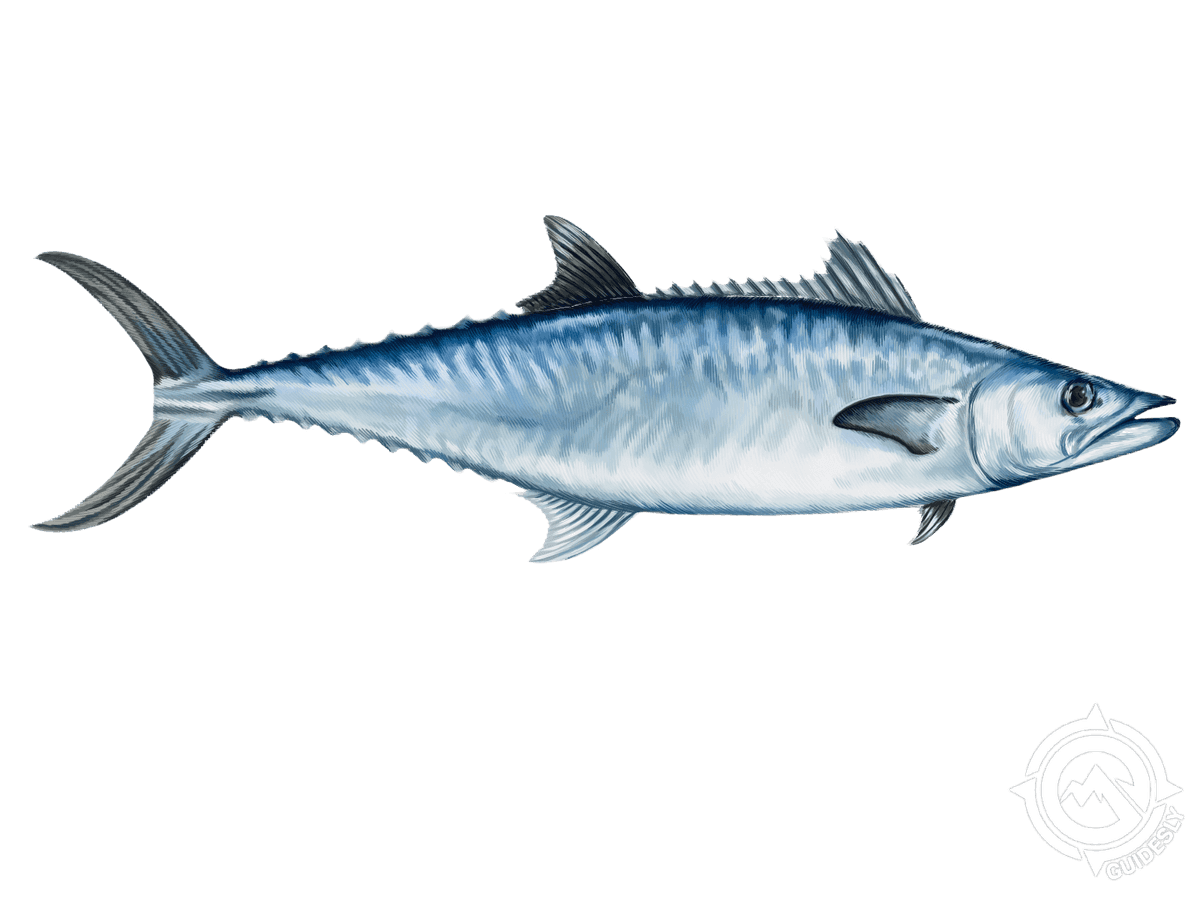
King Mackerel cruise the edges of reefs and drop-offs, often traveling in small schools that appear and disappear quickly. These silver bullets can stretch 3-4 feet and provide some of the most exciting hunting you'll find in shallow water. Early morning and late afternoon see the most activity, especially when baitfish are thick on the reefs. Kings test your free-diving skills since they rarely hold still long enough for scuba approaches. Their speed and size make them a trophy catch, plus they're fantastic on the grill when properly handled and iced down quickly.
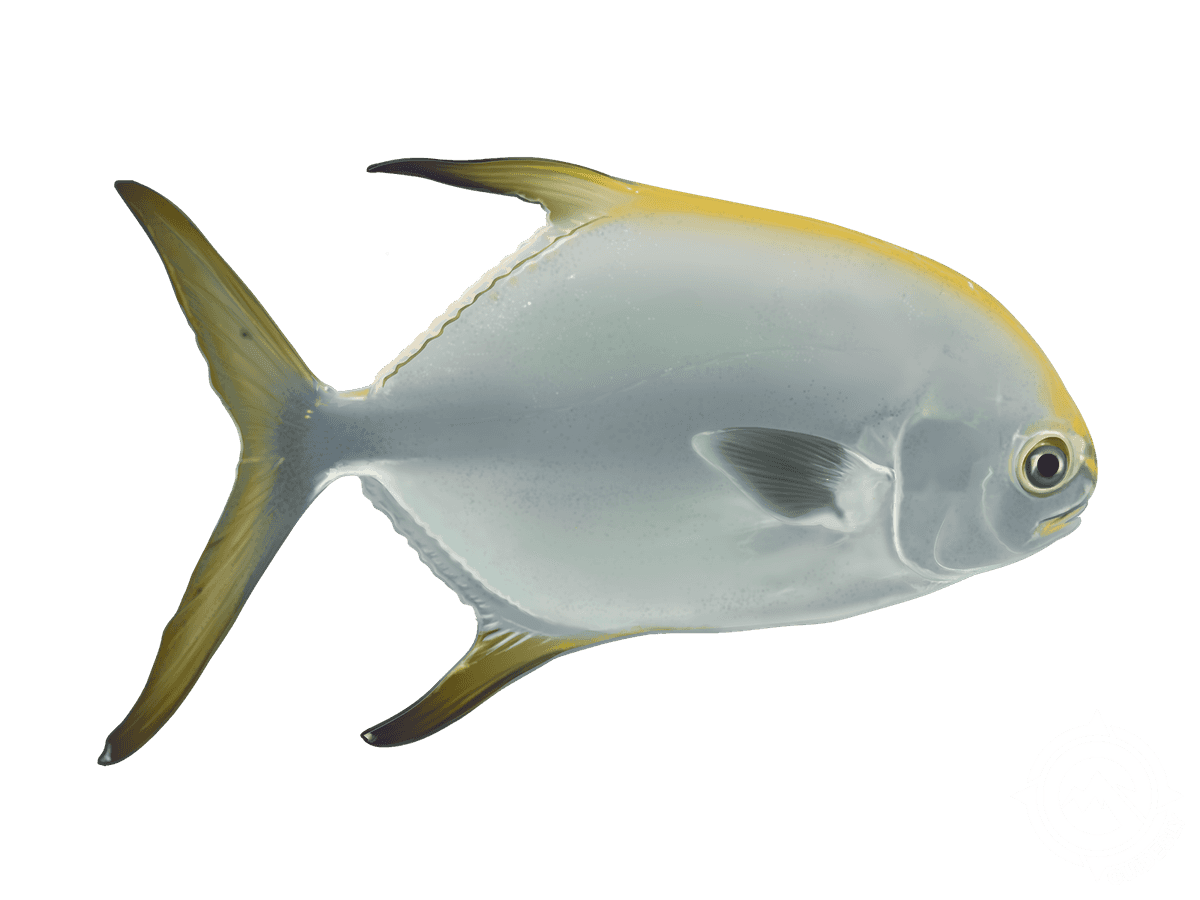
Permit are the holy grail for many spearfishers – these diamond-shaped silver fish are incredibly wary and present one of the toughest challenges in shallow water hunting. They cruise flats and reef edges in small groups, always seeming to know exactly where you are before you spot them. Spring and fall migrations offer the best opportunities, though resident fish can be found year-round in the right spots. Landing a permit with a speargun represents mastery of stealth, patience, and shot execution. Their excellent table fare and reputation as one of the smartest fish on the reef makes them a true prize for dedicated hunters.
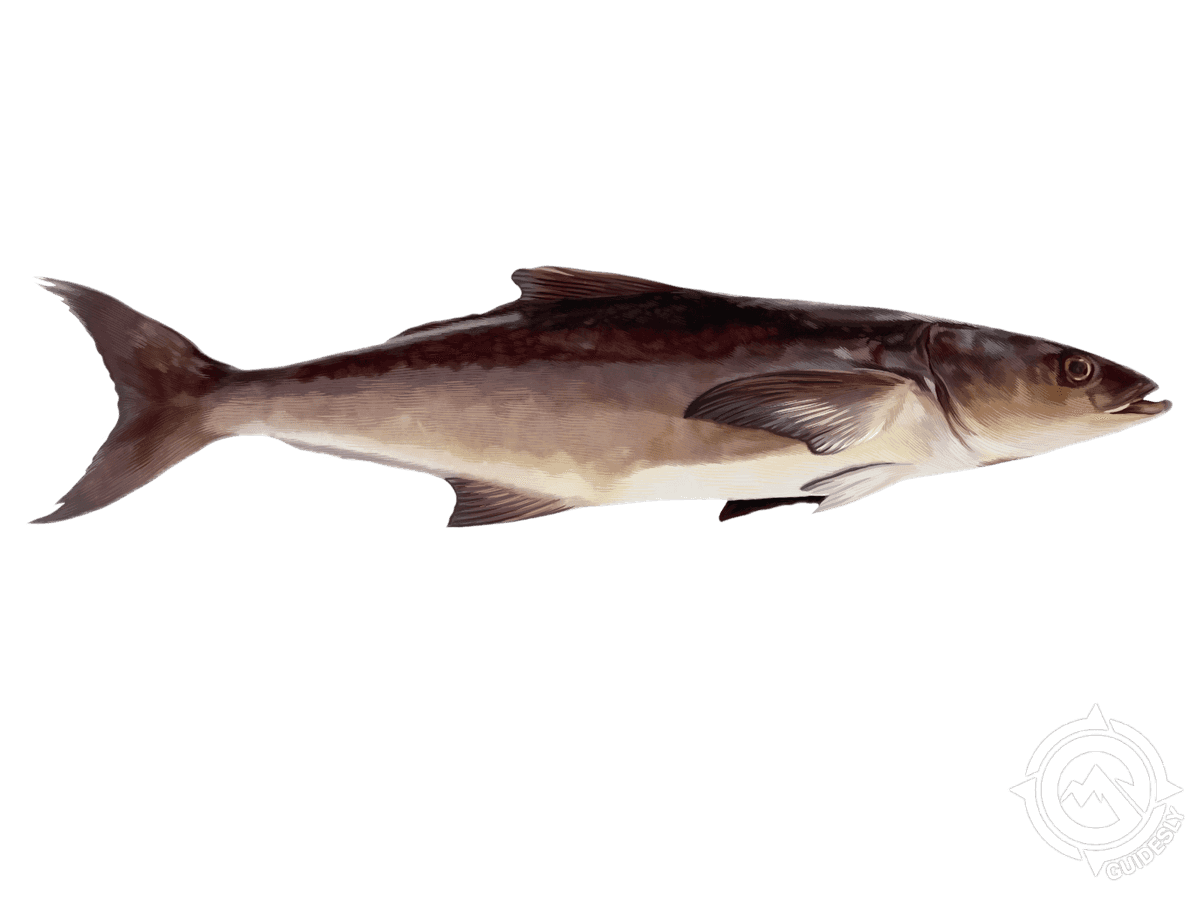
Cobia are the submarines of the shallow reefs – these brown, shark-like fish cruise solo or in small groups, often approaching divers out of curiosity. They're year-round residents but most active during warmer months when they move into shallow spawning areas. What sets cobia apart is their bold nature and excellent eating quality. They'll sometimes circle divers multiple times, providing several shot opportunities if you stay calm and wait for the right angle. These fish can exceed 40 pounds and provide a serious battle once arrowed, but their curious nature and predictable behavior make them favorites among spearfishers of all skill levels.
Time to Book Your Adventure
This private spearfishing charter delivers everything serious hunters want – small groups, productive waters, and expert guidance that'll sharpen your skills whether you're just starting out or looking to fill some gaps in your technique. The combination of shallow, clear water and diverse fish populations creates ideal conditions for learning and success. With tank rentals available and all safety gear provided, you just need to show up ready to dive and learn. Remember, we recommend at least 12 recent dives before joining to ensure you can focus on hunting instead of basic diving skills. Ready to see what's waiting below the surface? Book your spot now and get ready for a day that'll change how you think about diving.
Learn more about the animals
Cobia
Cobia are dark brown, shark-looking fish that make fantastic targets for divers and anglers alike. These solitary predators average around 6 feet and 100 pounds, living up to 12 years in waters from 30 to 300 feet deep. They love hanging around structure—reefs, wrecks, buoys, and oil rigs where they hunt crabs and small fish. Peak season is during their spring migration and summer spawning from June through August in the Southeast. What makes cobia special is they're curious fish that'll often approach divers, plus they're some of the best eating in the ocean with firm, white meat. They fight hard with powerful runs and stubborn resistance near structure. The trick with cobia is sight fishing—look for that dark shadow just under the surface, and when you spot one, get a bucktail jig or live bait down to them quickly before they move on.
King Mackerel
King mackerel are built for speed and known for their blistering runs that'll test your drag system. These silver bullets average around 30 pounds but can reach over 90, with the females growing much larger than males. They cruise open water between 40-150 feet, following baitfish and temperature breaks in the 68-84°F range. Peak season varies with migration patterns, but warmer months usually produce the best action. What makes kings special is that explosive strike and the way they peel line off your reel—plus their rich, oily meat makes great steaks when fresh. These fish are opportunistic feeders that'll hit live bait, spoons, and large jigs. My go-to trick is using a double-hook rig with live bait because kings love to bite the tail end of their prey, so that trailing hook often makes the difference between a hookup and a missed fish.
Permit
Permit are the holy grail for many anglers—tall, disc-shaped silver fish that can weigh up to 60 pounds and grow nearly 4 feet long. They're notorious for being spooky and tough to hook, with golf ball-sized eyes that rotate almost 360 degrees. Juveniles school in shallow grass flats, but adults become loners around offshore wrecks, reefs, and structures. The prime season runs April through October during spawning, though they're catchable year-round in warmer waters. What draws people is the challenge—they're considered one of the trickiest fish to land, even more so than bonefish. When you do hook one, expect a powerful fight with long runs. The secret is presentation: they mainly eat crabs, so whether you're using live blue crabs or crab imitations, make sure that bait lands softly and naturally. Spook them once and they're gone.
Red Grouper
Red grouper are reef favorites that divers love to target. These rusty-red fish with white spots typically run 5-10 pounds, but the big ones can push 50 pounds and live nearly 30 years. They hang around rocky bottoms, reefs, and wrecks anywhere from 16 to 300 feet, though we usually find them in that 30-100 foot range on our trips. They're not migratory, so they're around year-round, but avoid the spawning closure from January through April. What draws people to them is the combination of a tough fight and some of the best eating you'll find—firm, flaky meat with a slight shellfish flavor from their crab and shrimp diet. Here's a pro tip: once you hook one, keep steady pressure and don't give them a chance to get back to their hole, because they'll wrap you up in the structure every time.
Sheepshead
Sheepshead are some of the most recognizable fish you'll encounter, with their distinctive black and white stripes earning them the nickname "convict fish." They typically run 1-8 pounds and 14-20 inches, though we occasionally see monsters pushing 20 pounds. These fish have human-like teeth perfect for crushing barnacles and crabs around structures. You'll find them hugging docks, bridges, and reefs in shallow water—sometimes just 2 feet deep. Spring months from February through April are prime time when they gather to spawn. What makes them special is their excellent table fare with sweet, white meat, plus they put up a solid fight. The key trick is getting your bait right against the structure and setting the hook hard when you feel that telltale nibble—they're notorious bait thieves.
About the 25' Parker
%2F%2Fusers%2Fd01e3e45-f035-46ee-aafd-b13066004f82%2Fvehicle_picture%2Fimage-2025-06-08t095127.273.png&w=1200&q=75)
Vehicle Guest Capacity: 4
Manufacturer Name: Yamaha
Maximum Cruising Speed: 45
Number of Engines: 2
Horsepower per Engine: 200